Beach volleyball rules look familiar if you play indoors, but the game is different in several ways. There are only two players on each team, no rotation, no libero and a smaller court, and the rules about tips and hand setting are stricter. This guide covers the main beach volleyball rules and how they differ from indoor.
Beach vs indoor volleyball rules at a glance
| Rule | Indoor | Beach |
|---|---|---|
| Players per team | 6 on court | 2 |
| Court size | 18 m x 9 m (9 m x 9 m per side) | 16 m x 8 m (8 m x 8 m per side) |
| Rotation and positions | Clockwise rotation, set positions | None; players can stand anywhere |
| Libero | Yes | No |
| Set scoring | 25 points, win by 2; deciding set to 15 | 21 points, win by 2; deciding third set to 15 |
| Switching sides | After each set (and at 8 points in a deciding set) | Every 7 points in sets 1 and 2; every 5 in a third set |
| Block counts as a touch? | No, in most indoor rule sets | Yes, it is the first of three touches |
| Open-hand tips | Allowed | Restricted |
| Substitutions | Allowed | None in standard rules |
Players, court and net
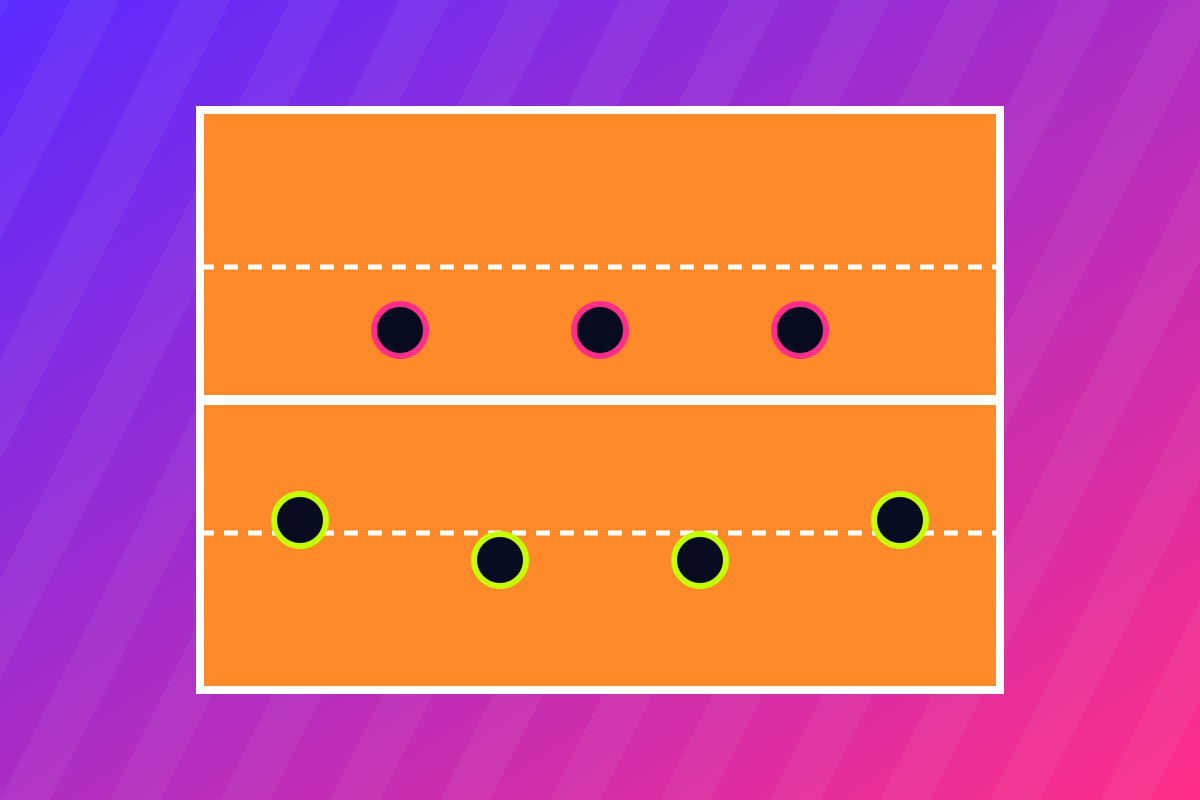
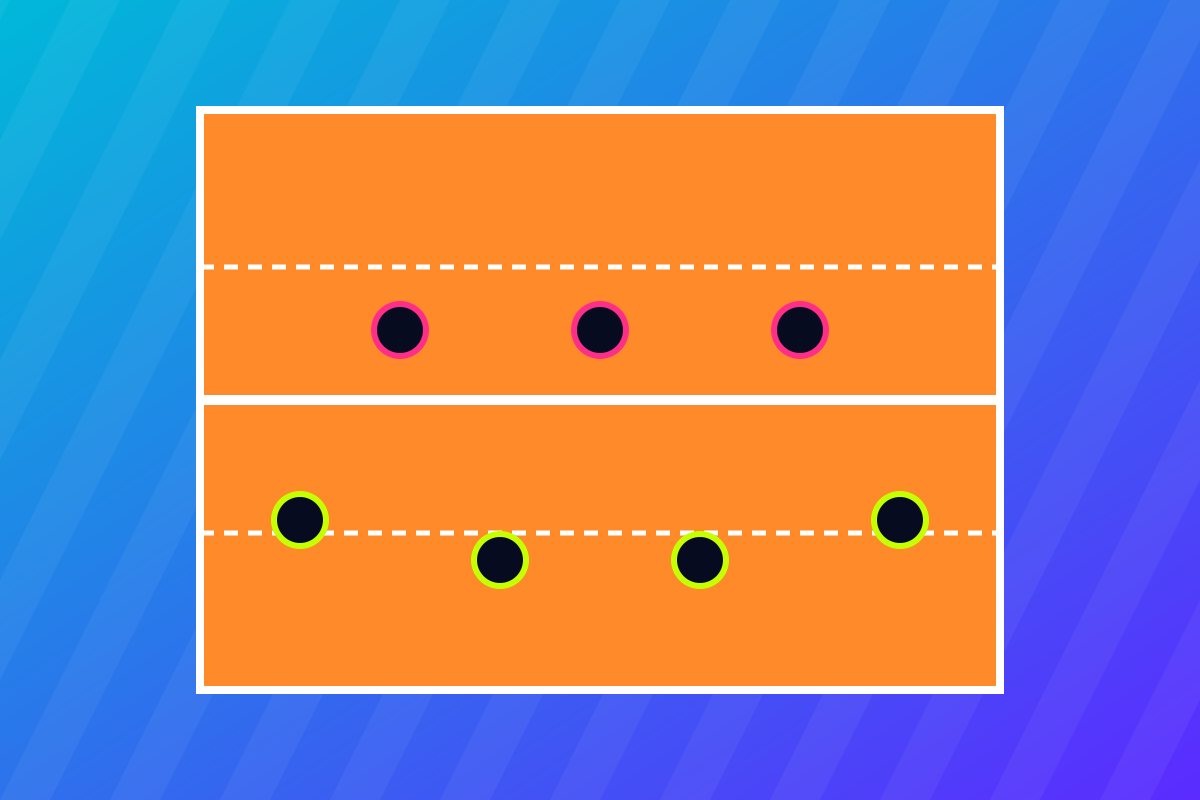
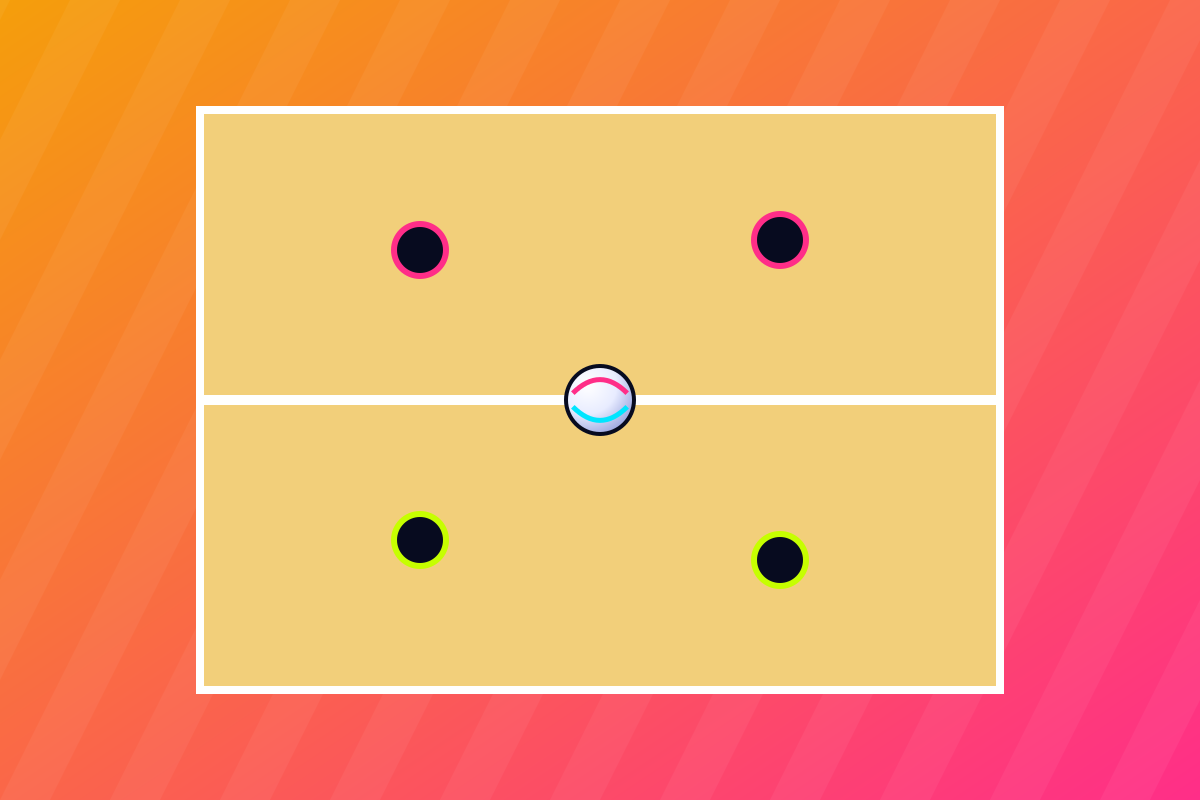
Each beach team has two players who stay together for the whole match. The court is 16 m by 8 m, so each side is 8 m by 8 m, which is smaller than the indoor 18 m by 9 m court. The net height is the same as indoor volleyball, and there are no attack lines. With only two players and so much sand to cover, there is no need for fixed positions, so players can stand wherever they like.
Scoring and switching sides
Beach volleyball also uses rally scoring, with a point on every rally. Sets one and two are played to 21 and must be won by two. If the match goes to a third set, it is played to 15, again win by two. Because wind and sun affect play, teams switch sides every 7 total points in the first two sets and every 5 total points in the third.
Touches and blocks
A team has a maximum of three touches, same as indoors, and one player may not touch the ball twice in a row, apart from after a block. A block counts as a touch in beach volleyball. That means a team that blocks the ball still has two touches left to get it over the net.
Tips, dinks and hand setting
The rules for contacting the ball are stricter on sand than indoors. A tip, where you push the ball over the net with open, loose fingertips, is not allowed. Players use their knuckles, a closed fist or a roll shot instead. Hand setting is also judged closely: the ball must be played cleanly with no visible spin, and it generally has to go forward or backward in line with your shoulders. A bump set with the forearms is the safer choice for beginners. Rules vary between tournaments and recreational leagues, so check with your organiser.
Serving order
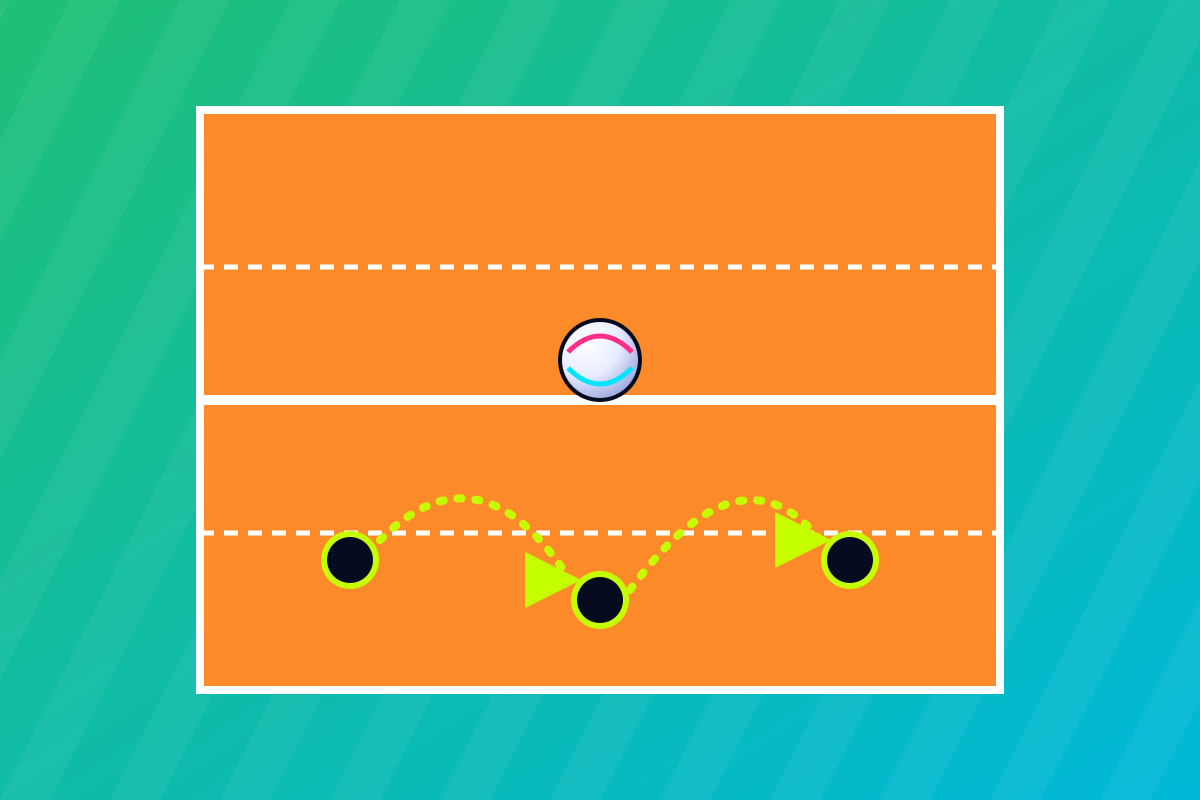
Serving alternates between partners. Each time your team wins the serve back, the partner who did not serve last time takes the next serve, and the order stays the same through the set. There is no rotation of positions to track, only the serving order.
Other differences are practical. Beach players call their own shots more often, communicate constantly because there is nobody else to cover a mistake, and spend more energy on movement in the sand. Many players find that beach volleyball builds all-round skills quickly because every player passes, sets, attacks, blocks and serves.
Where to go next
If you are used to the indoor game, review the basic volleyball rules and volleyball positions explained to see exactly what changes on sand. To build skills for both versions, start with these beginner volleyball drills. Scoring a casual match? Use the volleyball scoreboard and set the deciding set to 15.
FAQ
How many players are on a beach volleyball team?
Two. The same two players stay on court for the whole match, and there are no substitutions in standard rules.
How many points do you play to in beach volleyball?
The first two sets go to 21, and a deciding third set goes to 15. Every set must be won by two points.
How often do teams switch sides in beach volleyball?
Every 7 total points in sets one and two, and every 5 total points in a third set.
Is there a libero or rotation in beach volleyball?
No. There is no libero and no positional rotation. Partners only alternate who serves.
Does a block count as a touch in beach volleyball?
Yes. A block counts as the first of the team’s three touches.